Showing posts with label Fine Motor. Show all posts

Planning for Outdoor Learning in Kindergarten


I love collaborating with my other team members in our Kindergarten team and love that we can plan together for our outdoor learning. We have a team of 14 staff members so this is a big collaborative effort!

Our Outdoor Learning Schedule:
40 minutes of outdoor learning first thing in the morning with staggered entry for small group instruction.
40 minutes of outdoor learning at the end of the day.

This schedule provides less transitions in our day for students. They only have to undress once during the day and get dressed to go outside at the end of the day. We do not go outside for a recess but have two 40 minute nutrition breaks where students eat and then often do gross motor activities to help keep them focused for the day.

During outside learning each teacher has a "role" where we sign up for specific learning centres to engage students and others are floaters who help with runners, behaviour management and any students who may need bathroom breaks etc. All classes have two teachers, so we usually ensure that one team member is at a centre and the other is floating.


As a team we collaborate on a learning template very similar to what we use in our classroom. We try our best to ensure we hit as many learning opportunities that we possibly can based upon the interests that we notice while we are outside learning together. The following freebie shows a basic template that we use in our classroom and what we try to purposefully uncover while we are learning together. Click on the image to see it!


Learning Centres on our Plan
Science & Discovery
Math
Language
Paint & Visual Art
Music
Gross Motor: Field vs. Tarmac
Fine Motor
Water
Sand
Blocks & Building Materials

At first, one team member took minutes and we documented what learning activities were being provided and which room was responsible for it. This member would print the page and post it in our shed as well as post it in our school conference for all the team members to print.  We found this very purposeful but often found that we ran out of time for deeper collaboration together.

Google Drive To the Rescue!
In response to this need, we found it valuable to create a shared google document and all team members bring an iPad to add their ideas during our planning. This has allowed all of us to input our contributions quickly and we can all glance at the activities quickly and then are more purposeful in our discussions. Our meetings have been able to be more focused and we are all happy that we can go home quicker at the end of the day!

How does your planning differ? I'd love to learn how other teams collaborate together!
0

Books To Inspire Line Art


My favorite way of introducing any art concept is through a book. It provides meaning and a deeper understanding for students. I also love it when kids are given the opportunity to show what they know. They always prove to have amazing skill and talent beyond what we realize.

A Beautiful OOPS!
This book is the perfect book for children to realize that mistakes can be turned into something beautiful. 


10 Black Dots
This book is the perfect book for children to see circles all around them. Great for inspiring art and allowing children to use their own creativity as they pick how many dots they want to use in their own picture!


Not A Stick
What can a stick be turned into? Have students be creative and show their imagination using their artistic or creative building skills!


Not A Box
Clearly, it is not a box! Students will be inspired to turn a square into something inspirational.


Not A Box
Children will learn how we can change the look of a simple shape to create many different things!


 Not A Box
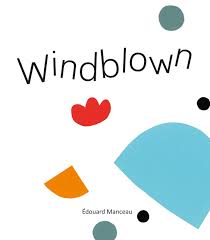
This book is fantastic for learning how similar shapes can make a variety of different creations! All inspired by a little wind! ;)


Ish
This is a story of children who learn that it is okay to make and create things "ish" like. This is one of my favourite artistic books to inspire creativity.


Scribble
This book explores how shapes learn how to get along with each other. It is a great book to use to explore creativity, imagination and friendship!


The Dot
A story of a girl who is frustrated creating art but then learns, as she goes through the learning pit, that she is artistic and creative. 

A Little Bit of OOMPH!
Turn something ordinary into something extraordinary with a little bit of "oomph!" It is a fun engaging books that kids will truly enjoy!


Do you have any other favourite books to inspire line art? Please feel free to list below or email me! I'd love to add to this list!
0

Gak: Fine Motor and Sensory Fun


Gak is a great support for fine motor development. At the same time, it can fulfill a sensory need for many children. We often will set them out with scissors or just on its own to see what kids will do with it. Many will stay engrossed for hours at a time!

The recipe is super easy to make!

Gak Recipe

You will need:
White glue
Food coloring
Warm water
Borax

First, mix these two ingredients together in a large plastic bag
2 C white glue
1 1/2 C warm water which already contains food coloring

Then, in a separate bowl, mix:
1 C warm water
3 tsp Borax

Finally, combine the two mixtures into the large plastic bag until it is a thick slimy consistency.

0

Sensory Bins Ideas

We are always looking for new ideas for our sensory bins to keep students engaged. Changing up activities keeps the interest as new activities easily change the dynamic in a classroom by calming children down as they explore the new activities.

alphabet & numbers
alphabet cereal
animals
aquarium gravel
beads
beans
birdseed (nut allergy issue)
bottle caps
bugs
buttons
cereal
chickpeas
cloud dough
corks
colored pasta
colored sand
construction paper scraps
corn
decaf coffee grinds
dinosaurs
dried beans
drinking straws and scissors
Easter grass
funfetti
gems
gak
ice blocks
Jello crystals
kinetic sand (homemade or store bought)
leaves
Lego blocks
magnetic objects and magnets
marbles
moon sand
mud
nuts and bolts
oatmeal (use gluten free version if allergies are an issue)
pine cones (tree allergy issue)
pine needles (tree allergy issue)
plumbers pipes, elbows and joints
pom poms
pebbles
raisins
ramps
rice
sand
saw dust
shaving cream (potential scent allergy issue)
shells
shredded paper (look for sight words, letter hunt)
snow with shovels
snow with paint
soil
straw (potential allergy issue)
stones
tissue paper
vehicles
water
water with soap to make bubbles
water beads (dollar store)
wooden chips/mulch
wooden pallets
wooden pallets


0

Play Dough Recipe


I have had many parents bring in recipes of play dough. This is our best recipe that we have found to send home to our families.

Dry Ingredients
2 c flour
1 c salt
4 tsp cream of tarter

Wet Ingredients
2 c boiled water
4 Tbsp oil
food colouring

Mix all dry ingredients together in a bowl.
Mix all wet ingredients together in a bowl.
Mix together.
Knead together.

0

Developing Fine Motor Skills


Developing fine motor skills is something that many educators overlook, especially with students who have not attended kindergarten or in any grade after kindergarten.

Students who struggle with printing skills actually do not need rote practice of printing letters in order to help them learn. Developing their fine motor skills is a necessity in order for them to be better able to grasp and control their pencil!

The easiest and my favorite way of supporting fine motor development is through the use of silly putty. It comes in a wide variety of densities. From very pliable to very firm and hard to manipulate. At the beginning of my teaching career I remember being curious as to how effective simple tools as putty are for students. I then had an unfortunate medical situation where I could not use my hands for a couple of months and lost most of my own fine motor muscles. I was fascinated at feeling my muscles strengthen as I played the following activities with my students. Some days it was a full workout of my hands!

Silly Putty Activities

The following activities are the routines we use in our classroom.

Prep: Hide small beads in the putty. Usually it will "fall" into the putty overnight but can be easily squeezed into the putty if needed. We typically use melting beads, as pictured above, as they are cheap and can be purchased in large quantities.

1. Pick out all the beads.
2. Roll into a ball.
3. Squish flat into a pancake. Then, add beads to make it into a chocolate chips to the pancake!
4. Roll into a "snake"
      
5. Squeeze the snake by squishing it with the thumb and pointer finger to find the beads. Pick them out!

Extra Activities
6. Make a hot dog!
7. Make animals with the putty.

These activities are quite engaging for young children. They love to play with putty and ask daily to play! We rotate daily between students and as a result there are often students who are begging to play.


Once students have developed their ability to demonstrate fine motor strength we encourage printing skills. The following is an engaging activity for learning how to print numbers! It is great to use with a variety of writing tools (e.g., markers for lesser strength and pencil crayons for students with lots) or use manipulatives to engage students in a play based environment (e.g., using beads or gems).


What other engaging activities do you use with your students to develop their fine motor?


0
Back to Top